Why a Dull Knife Is More Dangerous Than a Sharp Knife
When people think about knife safety, a razor-sharp chef’s knife can seem intimidating. It feels logical to assume that the sharper the blade, the greater the danger. In reality, one of the more dangerous tools in your kitchen may be the knife that desperately needs sharpening.
As a chef, I’d much rather work with a properly sharpened knife than struggle with a dull one. A sharp knife gives you control. A dull knife makes you work harder, and that’s when accidents are more likely to happen.
Disclosure: This post may contain affiliate links. If you purchase through one of these links, I may earn a commission at no additional cost to you. Prices change frequently, so always check current pricing before purchasing.
A Dull Knife Requires More Force
A sharp knife should move through food with relatively little pressure. Whether you’re slicing an onion, chopping herbs, or cutting through a sweet potato, the blade should be doing most of the work.
When a knife becomes dull, you naturally start pushing harder. That extra force creates a problem: if the knife slips, all of that pressure suddenly goes somewhere you didn’t intend it to go. Instead of smoothly slicing through the food, the blade may slide sideways, bounce off a tough surface, or move unexpectedly toward your fingers.
Chef Tip: If you find yourself pushing down hard, sawing aggressively, or fighting with an ingredient, stop. Your knife may be telling you it needs attention.
Dull Knives Are More Likely to Slip
One of the biggest advantages of a sharp knife is that the edge can immediately grab the surface of the food. A dull blade often cannot.
Think about cutting something with a smooth surface, such as:
A tomato
A bell pepper
An onion
An apple
A grape or cherry tomato
Instead of biting into the skin, a dull blade may slide across it. That loss of control is exactly what you don’t want when your other hand is only inches away. A properly sharpened knife allows you to guide the blade rather than wrestle with it.
Sharp Knives Give You Better Control
Knife safety is largely about control. When your knife is sharp, your movements can be deliberate and efficient. You don’t need oversized chopping motions or excessive downward pressure. The knife goes where you direct it. A dull knife encourages the opposite.
You may begin:
Pressing harder
Changing your grip
Sawing back and forth
Holding ingredients awkwardly
Rushing because prep is taking longer than expected
All of those little adjustments increase the opportunity for something to go wrong. Good knife skills should feel controlled, not like a battle between you and your cutting board.
A Sharp Knife Also Makes Prep Easier
Safety isn’t the only benefit. A properly maintained knife makes cooking noticeably more enjoyable.
Sharp knives create cleaner cuts, which means:
Herbs are sliced instead of crushed.
Tomatoes keep their shape.
Onions are easier to dice evenly.
Proteins can be portioned more precisely.
Vegetables cook more evenly because your cuts are more consistent.
And because you aren’t fighting your knife, prep becomes faster and less tiring. That’s one reason professional chefs take knife maintenance seriously. A good knife isn’t just about appearance or price; it’s a working tool.
Your Cutting Board Matters, Too
Even a great knife can lose its edge faster when it’s used on the wrong surface. Glass, stone, granite, marble, and ceramic cutting boards are extremely hard on knife edges and can dull them surprisingly quickly.
For everyday prep, I recommend using a quality wood or plastic cutting board. They’re much gentler on your blade and help your knife stay sharp longer.
Check Current Price → eco-friendly
Chef Tip: Your countertop may look like a convenient cutting surface, but your knife, and probably your countertop, will thank you for grabbing a cutting board instead.
Honing and Sharpening Aren’t the Same Thing
This is where many home cooks get confused.
Honing
A honing rod helps realign the very fine edge of your knife. With regular use, that edge can gradually bend slightly out of alignment. Honing helps straighten it again. Think of honing as maintenance.
Sharpening
Sharpening actually removes a tiny amount of metal from the blade to create a new cutting edge. Think of sharpening as restoration.
If your knife is truly dull, repeatedly running it across a honing rod won’t completely fix the problem. Eventually, it needs to be sharpened.
Chef Take:
I am a personal fan of using a whetstone for my sharpening needs.
How Often Should You Sharpen Your Knife?
There isn’t one perfect sharpening schedule. How often your knife needs attention depends on how frequently you cook, the type of steel, your cutting board, and how you use and store your knife.
For most home cooks, sharpening may only be necessary a few times a year. Instead of watching the calendar, pay attention to performance. If your knife starts slipping, crushing, dragging, or requiring more pressure than usual, it’s probably time to sharpen. Regular honing can help maintain the edge between sharpenings, but remember: honing can’t restore a blade that has become truly dull.
How Can You Tell If Your Knife Is Dull?
You don’t need professional equipment to recognize the warning signs.
Your knife probably needs sharpening if:
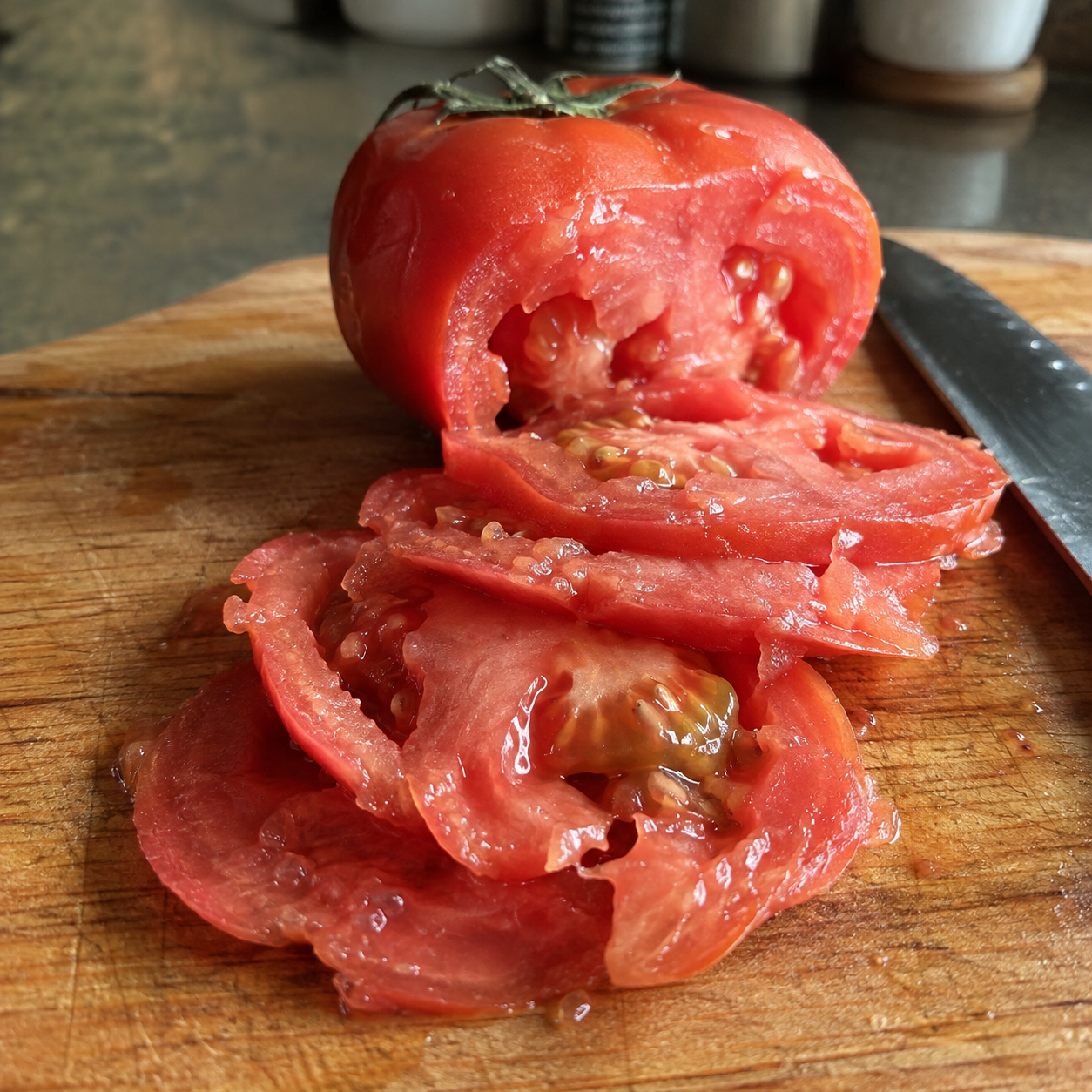
It struggles to slice through tomato skin.
It crushes herbs rather than slicing them cleanly.
You have to use noticeably more pressure.
The knife slides across onions or peppers before cutting.
You find yourself repeatedly sawing through ingredients.
Food prep simply feels harder than it used to.
I’ve worked with chefs who have had dull knives, and you can see the additional effort it took them to cut practically anything. More force, slower prep in the long run, uneven cuts, and they looked like they just put in an arm workout.
Pay attention to how the knife feels in your hand. If a task that once felt effortless suddenly requires muscle, the blade is probably part of the problem.
Sharp Still Means Sharp
Of course, a properly sharpened knife still deserves respect. A sharp knife can absolutely cause an injury if it is handled carelessly. The goal isn’t to become less cautious around sharp knives; it’s to understand that predictability and control are what make knife work safer.
Always pair a sharp knife with GOOD HABITS:
Use a stable cutting board.
Keep your fingertips tucked when chopping.
Never try to catch a falling knife.
Carry knives with the blade pointed down.
Store knives securely rather than loose in a drawer.
Keep your attention on the task while cutting.
WHAT NOT TO DO:
Don’t run your finger along the blade to test sharpness.
Don’t try to catch a falling knife—step back and let it fall.
Don’t leave knives hidden in a sink full of soapy water.
Don’t use your chef’s knife to cut frozen foods, bones, or other items it wasn’t designed to handle.
Don’t scrape food across your cutting board with the sharp edge of the blade. Flip the knife over and use the spine instead.
The Bottom Line
A sharp knife isn’t something to fear; it’s something to respect. When your knife is properly maintained, you use less force, make cleaner cuts, and have much better control over where the blade goes. A dull knife does the opposite: it makes you work harder, encourages unsafe habits, and increases the chance of slipping.
So before your next round of meal prep, take a moment to check the knife you reach for most often. If it’s crushing, dragging, or forcing you to muscle your way through ingredients, it’s probably time for some maintenance.
Good knife skills start with good technique, but they also start with a knife that can actually do its job. Keep it sharp, stay in control, and let the knife do the work.
Frequently Asked Questions
-
A dull knife can increase the risk of an accident because it requires more pressure and is more likely to slip or move unpredictably. A properly sharpened knife gives you better control, but any knife still needs to be handled carefully.
-
Pay attention to how it performs. If your knife struggles with tomato skin, crushes herbs, slides across food, or requires noticeably more pressure than it used to, it may be time to sharpen it.
-
Honing helps realign the existing knife edge, while sharpening removes a small amount of metal to create a new edge. Honing is maintenance; sharpening restores an edge that has become dull.
-
Yes. Because sharpening removes a small amount of metal from the blade, there’s no reason to sharpen a knife that is still performing well. Hone when appropriate and sharpen when the knife’s performance tells you it needs it.
The 30-Second Chef Check:
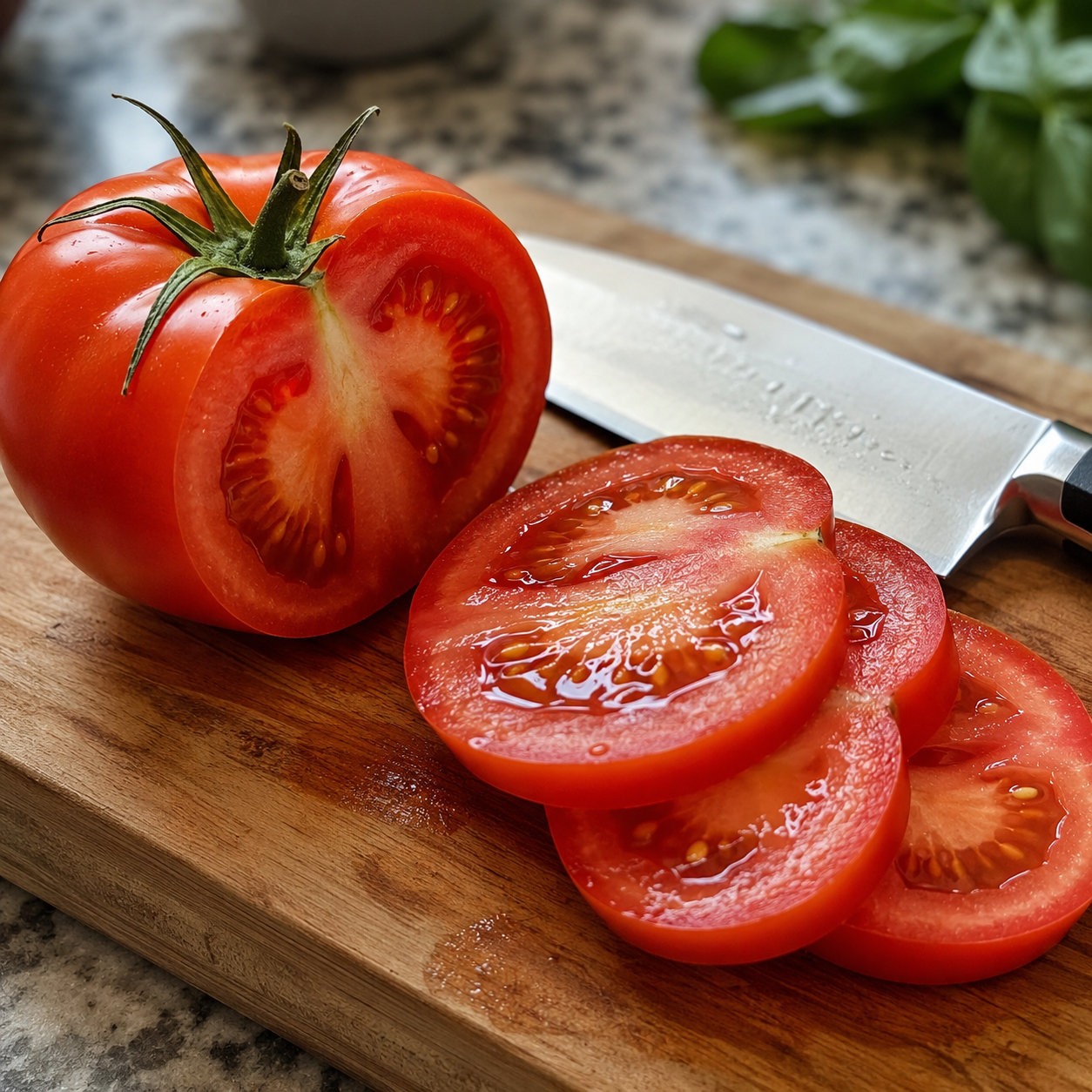
Grab a ripe tomato and your most-used chef’s knife. Without forcing the blade, try to begin a slice through the skin. If the knife skates across the tomato or requires significant pressure, it may be time to sharpen it.